Top Solar Energy Solutions for Your Home
- info2332766
- 4 hours ago
- 5 min read
As energy costs continue to rise and environmental concerns become more pressing, homeowners are increasingly turning to solar energy solutions. Not only can solar panels significantly reduce your electricity bills, but they also contribute to a more sustainable future. In this blog post, we will explore the top solar energy solutions available for your home, helping you make informed decisions about harnessing the power of the sun.
Understanding Solar Energy
Solar energy is derived from sunlight and can be converted into electricity or heat. The two primary technologies used to harness solar energy are photovoltaic (PV) systems and solar thermal systems.
Photovoltaic Systems
Photovoltaic systems convert sunlight directly into electricity using solar panels made of semiconductor materials. These systems are commonly installed on rooftops or in ground-mounted arrays.
Key Benefits of Photovoltaic Systems:
Cost Savings: By generating your own electricity, you can significantly lower your utility bills.
Incentives: Many governments offer tax credits and rebates for installing solar panels.
Low Maintenance: Once installed, solar panels require minimal maintenance.
Solar Thermal Systems
Solar thermal systems use sunlight to heat water or air for residential use. These systems are often used for heating swimming pools, providing hot water, or even heating your home.
Key Benefits of Solar Thermal Systems:
Efficiency: Solar thermal systems can be more efficient than PV systems for heating applications.
Lower Operating Costs: Once installed, the operating costs are low, as they primarily rely on sunlight.
Choosing the Right Solar Energy Solution
When considering solar energy solutions for your home, it's essential to evaluate your energy needs, budget, and available space. Here are some factors to consider:
Energy Needs Assessment
Start by assessing your household's energy consumption. Review your utility bills to understand your average monthly usage. This information will help you determine the size of the solar system you need.
Budget Considerations
Solar energy systems can require a significant upfront investment. However, many homeowners find that the long-term savings on energy bills make it worthwhile. Consider the following financial aspects:
Initial Costs: Research the costs of different solar systems, including installation.
Financing Options: Look into solar loans, leases, or power purchase agreements (PPAs) that can help spread the costs over time.
Incentives and Rebates: Investigate local, state, and federal incentives that can reduce your overall costs.
Space Availability
Evaluate the available space on your property for solar panel installation. Roofs are the most common locations, but ground-mounted systems can be an option if you have sufficient land.
Top Solar Energy Solutions for Homeowners
Now that you understand the basics of solar energy, let's explore some of the top solar energy solutions available for homeowners.
1. Rooftop Solar Panels
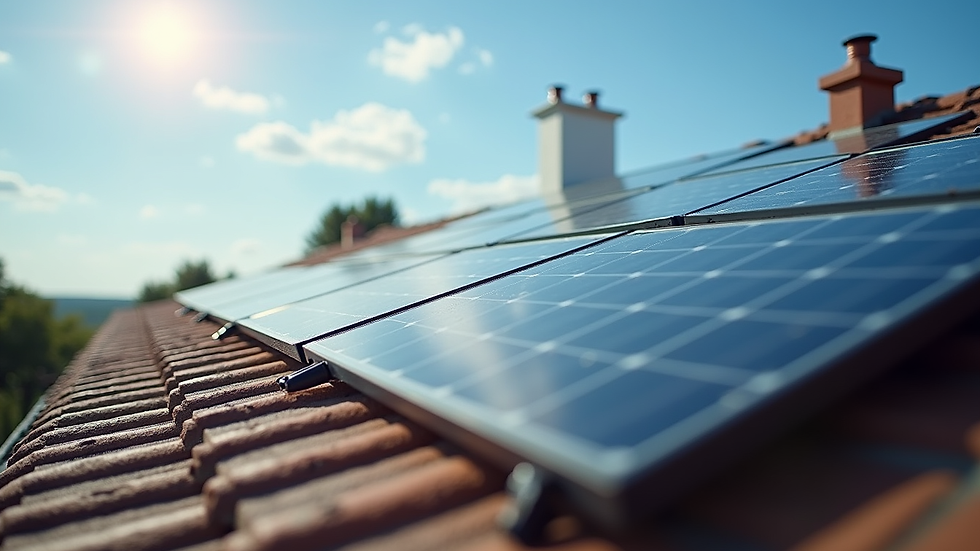
Rooftop solar panels are the most popular choice for residential solar energy systems. They can be installed on various types of roofs, including asphalt shingles, metal, and tile.
Advantages:
Space Efficiency: Utilizes existing roof space without requiring additional land.
Aesthetic Options: Many manufacturers offer sleek designs that blend well with your home.
2. Ground-Mounted Solar Panels
If your property has ample land, ground-mounted solar panels can be an excellent option. These systems can be installed at the optimal angle for maximum sunlight exposure.
Advantages:
Higher Capacity: Ground-mounted systems can accommodate more panels, generating more electricity.
Flexible Placement: You can choose the best location for sunlight exposure, avoiding shading from trees or buildings.
3. Solar Battery Storage
Solar battery storage systems allow homeowners to store excess energy generated during the day for use at night or during power outages. This technology enhances the efficiency of solar energy systems.
Advantages:
Energy Independence: Reduces reliance on the grid and provides backup power during outages.
Maximized Savings: Store excess energy to use during peak pricing hours.
4. Solar Water Heaters
Solar water heaters use solar energy to heat water for domestic use. They can be an efficient way to reduce energy costs associated with heating water.
Advantages:
Cost-Effective: Solar water heaters can significantly lower water heating bills.
Environmentally Friendly: Reduces reliance on fossil fuels for water heating.
5. Solar Pool Heaters
If you have a swimming pool, a solar pool heater can extend your swimming season by keeping the water warm. These systems use solar collectors to absorb sunlight and transfer heat to the pool water.
Advantages:
Extended Use: Enjoy your pool for a longer period each year.
Low Operating Costs: Once installed, solar pool heaters have minimal operating costs.
Installation Process
Installing a solar energy system involves several steps. Here’s a general overview of the process:
Step 1: Consultation and Assessment
A solar provider will conduct an assessment of your property, energy needs, and available incentives. They will provide you with a detailed proposal outlining the recommended system size and costs.
Step 2: Design and Permitting
Once you agree to the proposal, the solar provider will design your system and obtain the necessary permits from local authorities.
Step 3: Installation
The installation process typically takes one to three days, depending on the system size. Professionals will install the solar panels, inverters, and any additional equipment.
Step 4: Inspection and Interconnection
After installation, your system will be inspected to ensure it meets local codes. Once approved, your solar provider will connect your system to the grid.
Step 5: Monitoring and Maintenance
Most solar systems come with monitoring tools that allow you to track energy production. Regular maintenance is minimal, but it’s essential to keep the panels clean and free of debris.
Financial Incentives for Solar Energy
Many homeowners are concerned about the initial costs of solar energy systems. Fortunately, various financial incentives can help offset these costs.
Federal Tax Credit
The federal government offers a tax credit for solar energy systems, allowing homeowners to deduct a percentage of the installation costs from their federal taxes. As of 2023, this credit is set at 30%.
State and Local Incentives
Many states and local governments offer additional incentives, such as rebates, grants, or property tax exemptions. Research your local programs to maximize your savings.
Net Metering
Net metering allows homeowners with solar panels to sell excess energy back to the grid. This can further reduce your electricity bills and provide additional income.
Environmental Benefits of Solar Energy
Switching to solar energy not only benefits your wallet but also has a positive impact on the environment. Here are some key environmental benefits:
Reduced Carbon Footprint
Solar energy is a clean, renewable resource that produces no greenhouse gas emissions during operation. By using solar energy, you can significantly reduce your carbon footprint.
Conservation of Resources
Solar energy reduces the demand for fossil fuels, helping to conserve natural resources and decrease environmental degradation associated with fossil fuel extraction.
Sustainable Energy Future
Investing in solar energy contributes to a more sustainable energy future. As more homeowners adopt solar solutions, the reliance on non-renewable energy sources decreases, promoting a healthier planet.
Common Misconceptions About Solar Energy
Despite the many benefits of solar energy, several misconceptions persist. Here are a few common myths debunked:
Myth 1: Solar Panels Are Too Expensive
While the initial investment can be significant, the long-term savings on energy bills and available incentives make solar energy a cost-effective solution.
Myth 2: Solar Energy Only Works in Sunny Areas
Solar panels can generate electricity even on cloudy days. While sunlight is essential, solar technology is designed to capture and convert available light.
Myth 3: Solar Panels Require Constant Maintenance
Solar panels are designed to be low-maintenance. Regular cleaning and occasional inspections are typically all that is needed to keep them functioning efficiently.
Conclusion
Solar energy solutions offer homeowners a practical way to reduce energy costs and contribute to a sustainable future. By understanding the various options available, assessing your energy needs, and taking advantage of financial incentives, you can make an informed decision about harnessing solar power for your home.
As you consider your options, remember that investing in solar energy is not just about saving money; it’s about making a positive impact on the environment and securing a cleaner, greener future for generations to come. Take the first step today by researching local solar providers and exploring the possibilities for your home.


Comments